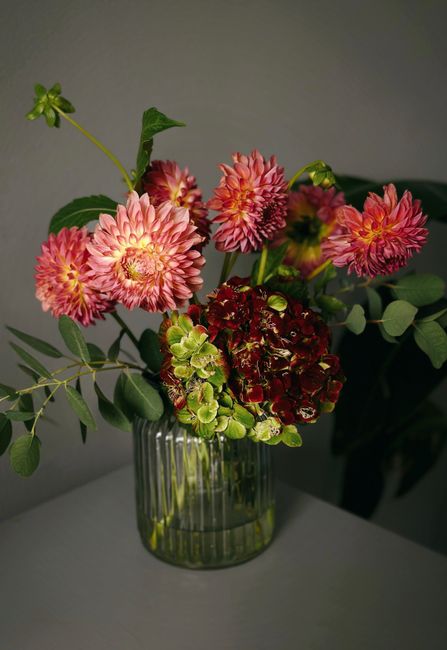
Holloway Road office flower subscriptions for Tufnell Park
Posted on 14/10/2026
If you manage a workspace near Holloway Road or you're based in Tufnell Park and want the office to feel a bit more alive, a flower subscription can be one of those small upgrades that quietly changes everything. Holloway Road office flower subscriptions for Tufnell Park are not just about putting something pretty on a reception desk. They help set a tone: calmer, sharper, more welcoming. And, to be fair, a fresher-looking office often feels more cared for before anyone has even said hello.
This guide walks through how office flower subscriptions work, who they suit, what to look for, and how to avoid the usual mistakes. You'll also find practical tips for choosing arrangements that suit local offices, whether that means a compact front-desk piece, a weekly refresh for a meeting room, or a more polished corporate scheme. If you're comparing options, you may also want to explore corporate accounts for a broader business service approach.
Table of Contents
- Why Holloway Road office flower subscriptions for Tufnell Park Matters
- How Holloway Road office flower subscriptions for Tufnell Park Works
- Key Benefits and Practical Advantages
- Who This Is For and When It Makes Sense
- Step-by-Step Guidance
- Expert Tips for Better Results
- Common Mistakes to Avoid
- Tools, Resources and Recommendations
- Law, Compliance, Standards, or Best Practice
- Options, Methods, or Comparison Table
- Case Study or Real-World Example
- Practical Checklist
- Conclusion
- Frequently Asked Questions
Why Holloway Road office flower subscriptions for Tufnell Park Matters
Workplaces around Holloway Road and Tufnell Park are busy, mixed-use, and very human. There are agencies, clinics, studios, professional offices, co-working spaces, and little teams doing serious work in not-always-serious-looking rooms. Flowers do a surprising amount in that kind of setting. They soften hard edges, break up the grey of screens and office furniture, and help a room feel intentional rather than just functional.
That matters because the office is not only where work happens. It is also where clients wait, candidates arrive for interviews, and staff spend long stretches of the week. If your reception area feels flat or forgotten, people notice. Often they notice without saying anything. Fresh flowers can create a better first impression in seconds, which is a lovely thing when you think about it.
There's another local angle too. In North London, many businesses work in compact spaces where every detail counts. A subscription makes floral styling feel effortless, which is useful if you're not trying to become the office flower person on top of everything else. Regular delivery takes the guesswork out of keeping things current, and the rotation keeps the space from going stale. One week it might be soft whites and greens; another, a more colourful seasonal mix. Small change, big effect.
Expert takeaway: If your office has clients, visitors, or hybrid staff coming and going, flowers are not decoration for decoration's sake. They are part of the workplace experience.
How Holloway Road office flower subscriptions for Tufnell Park Works
At its simplest, a flower subscription is a repeating delivery of fresh arrangements on a set schedule. Most offices choose weekly, fortnightly, or monthly deliveries depending on footfall, budget, and how quickly flowers are likely to be enjoyed or replaced. For a busier reception space, weekly tends to work best. For smaller offices or internal spaces, a slower rhythm can be perfectly sensible.
The process usually starts with a brief consultation about the office style, the size of the space, and any preferences around colour, fragrance, or flower types. Some businesses want clean and minimal. Others prefer something warmer and more expressive. There's no universal answer, honestly. A sleek practice waiting room and a creative studio do not need the same feel, do they?
Once the basics are agreed, the florist curates arrangements suited to the season and the setting. The best subscriptions are flexible enough to adapt if the office needs change. A meeting room may only need a small centrepiece. A reception desk might need a more impressive design. A shared kitchen? Usually something simpler that still feels cheerful when the kettle's on at 4pm.
Many businesses in the area also benefit from combining subscriptions with occasional one-off orders for launches, client events, or staff milestones. If that sounds useful, you can browse flower delivery in Tufnell Park for broader delivery options beyond the regular office plan.
Delivery timing matters too. In practice, an early-morning drop-off is often ideal because the flowers are in place before the day gets busy. That little detail helps the office feel ready rather than rushed. And yes, it does make a difference when the first person through the door is the one who has to deal with post, parcels, and a hundred emails before 9:30.
Key Benefits and Practical Advantages
The best reason to use an office flower subscription is not simply that flowers look nice. That's true, of course, but it undersells the practical value. A good subscription supports atmosphere, consistency, and the way people feel in the space. That's no small thing in a workplace.
- Better first impressions: Visitors, interviewees, and clients see a considered, cared-for environment.
- More consistent presentation: Instead of occasional flowers that arrive for a one-off moment, the office stays polished throughout the month.
- Seasonal interest: Arrangements can shift with the time of year, which helps the space feel fresh rather than repetitive.
- Less admin: A subscription removes the last-minute scramble of ordering flowers every time the office feels like it needs a lift.
- Flexible styling: You can keep things subtle or make more of a statement, depending on your brand and space.
- Staff morale: Little environmental details really do matter. People notice when a place feels looked after.
There's also a practical maintenance benefit. Subscription arrangements are usually designed with vase life and office conditions in mind. A florist who understands office settings will consider heat from radiators, direct sunlight, air conditioning, and how often the room is used. That sounds minor, but it often determines whether flowers still look good on day four.
If you want a broader sense of style options, the local florist in Tufnell Park page can help you think about the overall approach before you settle on a subscription. And if your team likes variety, the florist choice option is often a smart route because the arrangements can be tailored around what is fresh and seasonally appropriate.
Who This Is For and When It Makes Sense
Not every business needs flowers every week. But plenty do. The real question is whether the space benefits from being visually warm, client-friendly, and consistently maintained. If the answer is yes, a subscription probably makes sense.
Good fits for office flower subscriptions
- Reception areas that greet clients or patients
- Professional offices that host meetings and interviews
- Creative agencies and studios that want a more inspiring setting
- Co-working spaces that need a welcoming shared atmosphere
- Small local businesses that want to look polished without spending time on it
- Teams marking events, launches, promotions, or seasonal changes
When it may not be the right move
If your office is rarely occupied, or if space is extremely limited, a subscription may be more than you need. In that case, occasional delivery or a smaller arrangement could be the better fit. Likewise, if nobody in the office has time to replace water or discard tired stems, you'll want a florist arrangement that is low-maintenance rather than elaborate.
One simple test: ask whether the flowers will genuinely be seen and appreciated. If they'll sit in a back room with the blinds shut, you may be better off choosing fewer, more strategic placements. That's not a failure; it's just sensible.
Step-by-Step Guidance
If you're setting up office flowers for the first time, the process is straightforward. But a little planning saves a lot of awkwardness later. Here's the sensible way to approach it.
- Assess the space. Look at the reception desk, meeting rooms, kitchen, and any visible communal areas. Note where flowers would actually be noticed.
- Decide your purpose. Are you aiming for a warm welcome, brand polish, staff morale, or all three?
- Choose the delivery rhythm. Weekly works well for high-traffic areas; fortnightly or monthly can suit quieter offices.
- Pick a style direction. Consider minimalist, seasonal, classic, luxury, or colour-led designs.
- Think about maintenance. Who will top up water, move the flowers, or flag if there's an issue?
- Set expectations clearly. Make sure the florist knows the office hours, security procedures, and delivery access.
- Review after the first few deliveries. Don't be shy about changing size, colour palette, or frequency if needed.
That last step is often the one people skip. Then three months later they're still receiving arrangements that are just slightly too large for the table, or a bit too fragrant for the small meeting room. A quick review solves more than most people expect.
For offices that want a more structured business setup, it can be useful to pair a subscription with corporate accounts, especially if multiple departments or recurring event needs are involved. It keeps everything neat. Less chasing, fewer surprises.
Expert Tips for Better Results
After a while, you start to notice what makes office flowers work well and what makes them quietly underperform. The difference is usually not budget. It's fit.
- Match the arrangement to the room, not the other way round. A huge bouquet in a narrow reception desk can feel clumsy, even if the flowers themselves are lovely.
- Use scent carefully. In smaller offices, very fragrant flowers can be distracting. Pleasant is good. Overpowering, not so much.
- Stick to a colour logic. Brands often look better with a restrained palette, even if the flowers change from week to week.
- Choose long-lasting stems for busier spaces. Some varieties simply hold up better in warm or dry offices.
- Consider the vase as part of the design. A good container matters more than people think. A dull vase can drag down an otherwise beautiful arrangement.
- Ask for seasonal substitutions. It keeps the subscription feeling current and can improve value too.
If you're aiming for a more contemporary office look, mixed textures often work better than one very formal bouquet. A little height, a little softness, a little structure. That mix makes a room feel considered rather than staged. And if you're not sure what to choose, a florist selection from best sellers can be a good starting point because it usually reflects what works well in real customer settings.
A tiny practical note from experience: ask how the flowers will be packed and delivered. Office arrangements that arrive too tightly boxed can take time to settle. You want the first impression to be calm, not an impromptu rescue mission with scissors and a jug.

Common Mistakes to Avoid
The most common mistake is choosing flowers based only on appearance in a shop image. Office environments are less forgiving than a dining table at home. Bright sunlight, heating, drafts, and shared-use surfaces all affect how the flowers perform.
- Ignoring office conditions: Direct sun, air-con, and heat sources can shorten vase life.
- Ordering the wrong size: Too small and the arrangement disappears; too large and it dominates the room.
- Choosing too much fragrance: What smells wonderful in a home can be a bit much in a meeting room.
- Not assigning basic care: Someone needs to know who changes water or reports a problem.
- Forgetting access and timing: Deliveries can fail if the florist does not have clear instructions.
- Never reviewing the subscription: Offices evolve. Your flowers should, too.
Another subtle mistake is treating every space the same. Reception, boardroom, and staff kitchen are very different jobs. They need different flowers. It sounds obvious once you say it out loud, but plenty of businesses still order one arrangement and hope it fits everything. Usually it doesn't.
Also, don't assume "premium" automatically means "better for office use." Sometimes a simpler, sturdier design does more for the space than a dramatic arrangement with delicate stems that look tired by Thursday afternoon. Truth be told, practicality often wins.
Tools, Resources and Recommendations
Keeping office flowers looking good is easier when the basics are sorted. You do not need anything fancy, just a few sensible tools and a clear routine.
- Spare clean vase or vessel: Useful if flowers need to be transferred quickly.
- Fresh water and a measuring jug: Helps keep care simple and consistent.
- Sharp scissors or flower snips: Handy for trimming stems cleanly.
- Small cleaning cloth: Useful for wiping down the table after water changes.
- Contact list for deliveries: Keep the florist's details and any access notes in one place.
From a buying perspective, it helps to compare a few related options. For example, some offices prefer a one-off arrangement for a special occasion, while others want a fixed recurring plan. If you are still deciding, the flower shops in Tufnell Park page can be a useful starting point for understanding the wider local offer.
For offices on tighter budgets, the cheap flowers collection may be suitable for simpler desk or meeting-room styling, while the luxury flowers selection is better when the office needs a more statement-led look. Not every workplace needs the same treatment, and that is perfectly fine.
Law, Compliance, Standards, or Best Practice
Office flower subscriptions are not heavily regulated in the way some services are, but there are still sensible standards to follow. The main focus is good practice rather than legal complexity.
If flowers are being delivered into a workplace, access arrangements should respect building security and reception procedures. That means clear delivery instructions, named contacts where needed, and sensible timing. If the office is in a managed building or shared workspace, the florist should know how deliveries are accepted. It saves everyone a headache.
Hygiene matters too. Flowers should be kept in clean containers, especially in food-prep areas such as kitchenettes. While a vase of flowers is harmless in normal use, it should not interfere with shared surfaces or cleaning routines. In practical terms: keep arrangements tidy, replace water when needed, and don't let stems decay unnoticed on a communal counter. Simple, but important.
From a workplace wellbeing standpoint, there's no rule saying offices must have flowers, of course. But if they are used, they should support the environment rather than create clutter or avoidable mess. Allergies are worth considering as well. If a team member is sensitive to strong scent or pollen, choose lower-fragrance options and keep arrangements out of enclosed spaces where possible.
As for consumer protection, any subscription should come with clear information about delivery expectations, substitutions, and refunds or replacements if something goes wrong. If you want to review the practical details of service terms, it is worth reading returns and refund, guarantees, and delivery before you commit. That kind of clarity is not glamorous, but it matters.
It's also wise to choose a florist that is transparent about ethical sourcing and business practices. For a bit more background, see sustainability and about us. Trust builds slowly, and the details are where it usually happens.
Options, Methods, or Comparison Table
Here's a simple way to compare common approaches for office flowers in the Holloway Road and Tufnell Park area.
| Option | Best for | Pros | Watch-outs |
|---|---|---|---|
| Weekly subscription | Reception areas, client-facing offices, busy spaces | Always fresh, strong first impression, easy to manage | Higher ongoing commitment than slower schedules |
| Fortnightly subscription | Smaller offices, quieter spaces, budget-conscious teams | Good balance of freshness and value | May be less impactful in very high-traffic rooms |
| Monthly subscription | Meeting rooms, low-use spaces, decorative touches | Simple, affordable, low maintenance | Not ideal where flowers are central to the office image |
| One-off seasonal order | Events, launches, staff celebrations | Flexible and occasion-led | No ongoing consistency |
| Mixed office plan | Offices with several spaces and different needs | Tailored to reception, kitchen, and meeting rooms separately | Needs clearer planning |
In practice, the right option depends on how visible the flowers are and how often people move through the office. A reception desk that faces a stream of visitors will need more frequent refreshes than a side table in a quiet meeting room. Simple enough, really.
Case Study or Real-World Example
Here's a realistic example from a North London office setting. A small professional team near Holloway Road wanted their reception to feel more welcoming without making the space look overly styled. The room had a white desk, grey flooring, and not much natural colour. Nice enough, but a little flat on arrival.
They started with a fortnightly office flower subscription using a compact arrangement in soft greens, whites, and one or two seasonal accent shades. Nothing loud. Nothing oversized. The florist adjusted the height so it did not block the view of the reception desk, and the arrangement was delivered early in the morning so it was ready before the first visitor arrived.
After the first month, the team realised two things. First, the flowers changed how the room felt almost immediately. Second, they needed a slightly smaller design for one of the side tables because the original version was a touch too generous. That tweak made all the difference. Not dramatic, just better.
They later added a simple seasonal rotation for special occasions and occasional client meetings. The result was less about "decor" and more about consistency. The office felt cared for, and people noticed. A colleague even joked that the reception had become "the only place in the building with its life together." Bit cheeky, but not entirely wrong.
Practical Checklist
Before you start a subscription, use this quick checklist to make sure the plan suits your office.
- Have you identified the space where flowers will make the most difference?
- Do you know whether you need weekly, fortnightly, or monthly delivery?
- Have you thought about scent sensitivity or allergy concerns?
- Is there a clear person or team responsible for receiving deliveries?
- Do you know the office opening hours and access instructions?
- Have you chosen a style direction that fits your brand?
- Do you want a formal, relaxed, seasonal, or luxury feel?
- Will the arrangement sit on a desk, table, counter, or shared surface?
- Have you considered how much maintenance the office can realistically handle?
- Do you know how to review and adjust the subscription if needed?
If you can tick most of those boxes, you're in good shape. If not, don't worry. That's exactly what a good florist conversation is for.
Conclusion
Holloway Road office flower subscriptions for Tufnell Park are a simple idea, but they do a lot of work behind the scenes. They help your office look more polished, feel more welcoming, and stay visually alive without adding another admin job to the week. That mix of ease and impact is why they're such a practical choice for modern workplaces.
The best results come from matching the flowers to the space, choosing a realistic delivery rhythm, and being clear about what the office actually needs. Once those pieces are in place, the subscription becomes one of those quietly reliable things that just keeps making the room better. Not flashy. Just good.
If you're comparing options or planning flowers for a client-facing office, the next step is straightforward: look at the space, decide the rhythm, and speak to a florist who understands both style and practicality.
Get a free quote today and see how much you can save.
And if you do set it up, enjoy that first moment when the flowers arrive and the room suddenly feels a little more like somewhere people are glad to be.
Frequently Asked Questions
What are office flower subscriptions in Holloway Road and Tufnell Park?
They are recurring flower deliveries for workplaces, usually on a weekly, fortnightly, or monthly schedule. The aim is to keep reception areas, meeting rooms, and shared spaces looking fresh without requiring you to place separate orders each time.
How often should an office receive flowers?
It depends on the space. Busy reception areas often benefit from weekly delivery, while quieter offices may be fine with fortnightly or monthly arrangements. The more visible the flowers are, the more frequent the refresh usually needs to be.
Are office flower subscriptions expensive?
They can be tailored to different budgets. Smaller arrangements and slower delivery schedules naturally cost less, while larger or more luxurious displays cost more. The best approach is to choose a plan that suits the room rather than overspending just to impress.
What flowers work best in an office environment?
Longer-lasting flowers and mixed seasonal stems often work well because they hold up in changing indoor conditions. Low-fragrance options are usually safer for enclosed spaces, especially if staff or visitors are sensitive to scent.
Can I get flowers for just reception and not the whole office?
Absolutely. Many businesses focus on one high-impact area such as reception, the main meeting room, or a client waiting area. You do not need flowers everywhere for them to make a difference.
What if the office is small?
Small offices often benefit from smaller, more carefully placed arrangements. A modest design on a reception counter or meeting table can feel more effective than a large bouquet that crowds the room.
Do office flowers need much maintenance?
Usually not much, but they do need basic care. Clean water, a stable spot, and someone who can notice if the arrangement needs attention are usually enough. Low-maintenance designs make life easier in busy workplaces.
Can office flowers be seasonal?
Yes, and they often should be. Seasonal choices keep the arrangements feeling fresh and relevant. They also help avoid the sense that the office is getting the same bouquet over and over again.
How do I choose between a one-off order and a subscription?
If you want regular presentation and less admin, a subscription is usually the better fit. If you only need flowers for an event, celebration, or temporary refresh, a one-off order may make more sense.
What should I tell the florist before delivery?
Share the office address, access instructions, opening hours, and the best contact person. It also helps to mention where the flowers will be placed and whether there are any scent sensitivities or space limits.
Are flower subscriptions suitable for client-facing businesses?
Yes, very much so. They are especially useful in offices where first impressions matter, because they help create a calm, polished, and welcoming environment from the moment people walk in.
Can I change the style once the subscription starts?
In most cases, yes. Good subscriptions should be flexible enough to adjust size, colour palette, or delivery frequency after the first few orders. It is often wise to review the first month and tweak things from there.